

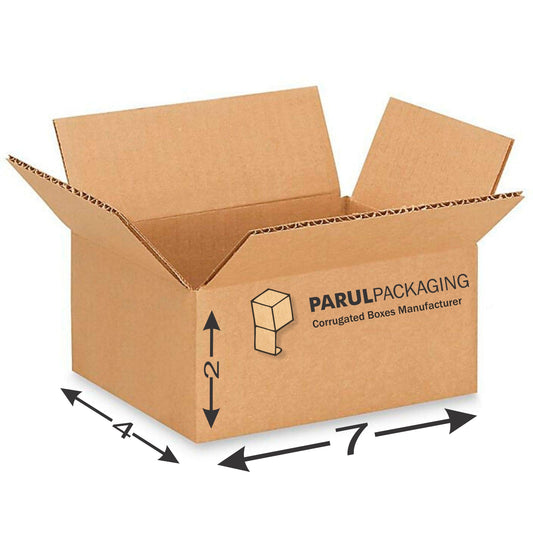


Why Some Corrugated Boxes Fail During Shipping (And How to Choose the Right One for Your Business)
Shipping damage is one of the most common and costly problems for businesses. Whether you run an eCommerce store or a manufacturing unit, poor packaging can lead to product loss, returns, and unhappy customers. One major reason behind this issue is using the wrong type of corrugated boxes. If you're sourcing in bulk, choosing from a reliable corrugated boxes manufacturer can significantly reduce these risks.
Understanding how to choose corrugated boxes for shipping is essential if you want to protect your products and maintain your brand reputation. In this guide, we'll explore why boxes fail and how you can select the right ones for your business needs. You can also explore a detailed breakdown of box types in this 3 ply corrugated boxes guide to better understand material strength.
Why Corrugated Boxes Fail During Shipping
1. Poor Box Strength
Not all corrugated boxes are designed to handle the same weight. Using a low-strength box for heavy items can cause it to collapse during stacking or transit. This is especially common when businesses try to cut costs by choosing cheaper packaging.
2. Incorrect Box Type
Corrugated boxes come in different flute types (A, B, C, E, etc.) and wall structures (single wall, double wall). Choosing the wrong type for your product can lead to damage.
-
Single-wall boxes are suitable for lightweight products
-
Double-wall boxes are ideal for heavier or fragile items
Using the wrong type increases the risk of crushing or tearing.
3. Exposure to Moisture
Humidity and water exposure weaken corrugated material. During long-distance shipping or monsoon seasons, boxes can lose strength and fail easily.
4. Poor Handling and Stacking
Boxes are often stacked during storage and transportation. If they are not strong enough to handle vertical pressure, they may collapse, damaging the contents inside.
5. Low-Quality Manufacturing
Boxes made from recycled or low-grade paper may not meet corrugated box quality standards India, leading to poor durability and reduced performance.
How to Choose Corrugated Boxes for Shipping
Choosing the right box is not just about size—it's about strength, durability, and suitability for your product.
1. Understand Your Product Weight
The first step in learning how to choose corrugated boxes for shipping is identifying your product weight.
-
Lightweight items (clothes, accessories): Single-wall boxes
-
Medium weight items (electronics, tools): Strong single-wall or light double-wall
-
Heavy items (machinery parts): Double or triple-wall boxes
Matching box strength with product weight is crucial.
2. Check Box Strength (ECT & Burst Strength)
If you want to know how to check box strength before buying, look for these indicators:
-
ECT (Edge Crush Test): Measures stacking strength
-
Burst Strength: Indicates resistance to pressure
Higher values mean stronger boxes. Always ask suppliers for these specifications before purchasing.
3. Choose the Right Flute Type
Flutes determine cushioning and strength:
-
A Flute: Best for cushioning fragile items
-
B Flute: Good for retail packaging
-
C Flute: Balanced strength and cushioning (most common)
-
E Flute: Thin, used for lightweight packaging
Selecting the right flute type helps improve product safety.
4. Follow Quality Standards
In India, reliable packaging follows corrugated box quality standards India, such as IS specifications. Always choose suppliers who meet these standards to ensure consistency and durability.
5. Consider Shipping Conditions
Think about how your products will travel:
-
Long-distance shipping → Stronger boxes
-
Export shipments → Moisture-resistant boxes
-
Rough handling → Double-wall protection
Your packaging should match the journey, not just the product.
Best Corrugated Boxes for Product Safety
If your goal is maximum protection, here are the best corrugated boxes for product safety:
-
Double-wall corrugated boxes: Ideal for fragile and heavy items
-
Heavy-duty boxes with high ECT rating: For stacking and long transit
-
Water-resistant boxes: For humid environments
-
Custom-fit boxes: Reduce movement and damage
Using the right type ensures fewer returns and better customer satisfaction.
Packaging Boxes for Heavy vs Light Products
Choosing the correct packaging depends on the nature of your products.
For Light Products:
-
Single-wall corrugated boxes
-
E-flute or B-flute
-
Cost-effective and easy to handle
For Heavy Products:
-
Double or triple-wall boxes
-
High burst strength
-
Reinforced edges
Understanding the difference between packaging boxes for heavy vs light products helps prevent shipping failures and saves money in the long run.
Common Mistakes to Avoid
Many businesses unknowingly make packaging mistakes that lead to damage:
-
Choosing boxes based only on price
-
Ignoring strength ratings
-
Using oversized boxes without cushioning
-
Not testing packaging before bulk orders
Avoiding these mistakes can significantly improve shipping success.
Pro Tips for Better Packaging
-
Always test boxes with sample shipments
-
Use proper cushioning (bubble wrap, foam)
-
Avoid reusing weak or damaged boxes
-
Work with reliable suppliers who follow standards
These simple steps can make a big difference in product safety.
Final Thoughts
Corrugated boxes may look simple, but choosing the wrong one can cost your business time, money, and customer trust. By sourcing from a reliable supplier and understanding your packaging needs, you can build a strong shipping system. Explore high-quality packaging solutions directly from Parul Packaging to ensure your products reach customers safely and professionally.
By focusing on strength, quality standards, and product compatibility, you can avoid shipping failures and build a reliable packaging system. Investing in the right corrugated boxes is not an expense—it's a smart business decision that protects your brand and improves customer satisfaction.
Frequently Asked Questions (FAQ)
1. How do I choose the right corrugated box for shipping?
Choose a corrugated box based on your product's weight, size, and fragility. For lightweight items, single-wall boxes are sufficient, while heavy or fragile products require double or triple-wall boxes with higher strength ratings.
2. What is the best type of corrugated box for heavy items?
Double-wall or triple-wall corrugated boxes with high ECT (Edge Crush Test) and burst strength are ideal for heavy items, as they provide better durability and stacking strength.
3. What does ECT mean in corrugated boxes?
ECT (Edge Crush Test) measures the stacking strength of a corrugated box. A higher ECT value indicates that the box can withstand more weight and pressure during shipping.
4. Which flute type is best for packaging?
The best flute type depends on your needs. A-flute offers better cushioning for fragile items, C-flute provides balanced strength, and E-flute is suitable for lightweight and retail packaging.
5. Why do corrugated boxes fail during shipping?
Corrugated boxes may fail due to low strength, incorrect box type, exposure to moisture, poor handling, or low-quality manufacturing materials.
Shop High-Quality Corrugated Boxes — Wholesale India
Parul Packaging manufactures strong, high-quality corrugated boxes that don't fail in transit. Direct from factory with consistent quality — pan-India delivery in 4–7 days.
For bulk orders and quality queries: WhatsApp +91-92742-83110 or email parulinternational06@gmail.com